
Blog Detail
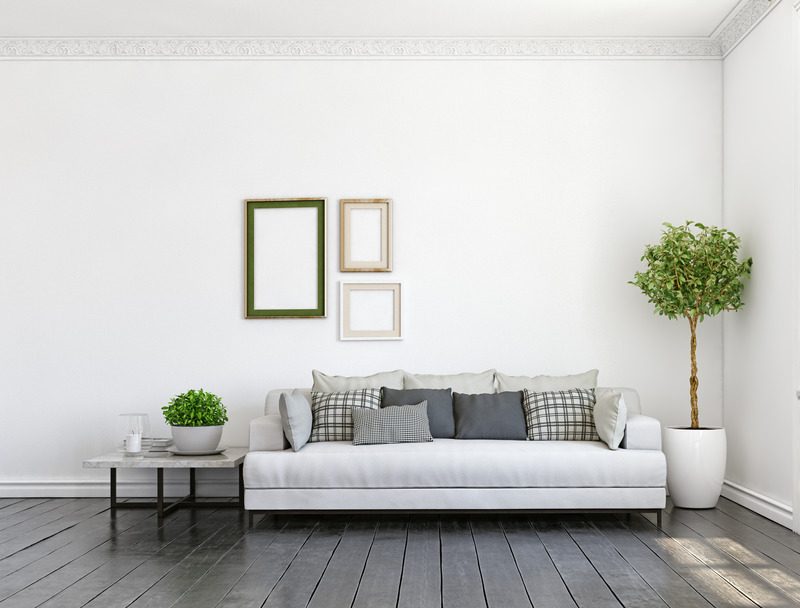
The 7 Rules of Interior Design
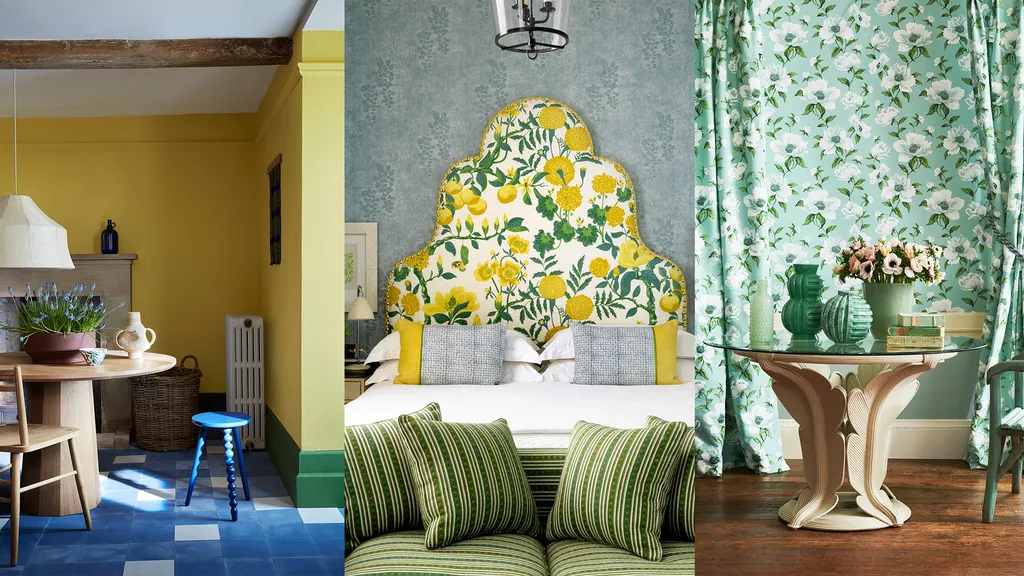
BALANCE Visual aspect: distributing furniture and decor evenly throughout a space so that things have the same visual weight when looking at a room HARMONY Coordination of objects and colors in furnishing, style, and decoration that work together to create a cohesive whole RHYTHM The arrangement of items through visual repetition of forms. To create progression, transition, or contrast in order to direct attention to the entire space. PROPORTION AND SCALE Proportion is the relationship between two items, and scale is the way that one object’s size relates to another.Things must be in balance with each other and the space, whether it’s size, shape, form, or color. EMPHASIS The use of an accent in the room, such as color, component, texture, or pattern, that draws attention The focal point can be an existing feature you want to highlight, such as a fireplace,a piece of furniture, or art that you want to use as the starting point for your design. CONTRAST Contrast provides visual interest and helps to define spaces. There are many ways to create contrast in a room. One of the most obvious is using color. Pairing light and dark or warm and cool colors can create a striking effect. You can also use contrast in terms of texture, pattern, and scale. DETAILS Details make a space unique. Adding personal touches makes a space feel welcoming, well put-together and warm! It’s the best way to show off your style and personalize the space with things that interest youRecent Posts
x
Copyright © 2025 All rights reserved JC Designs - Website Design by Twenty West Media